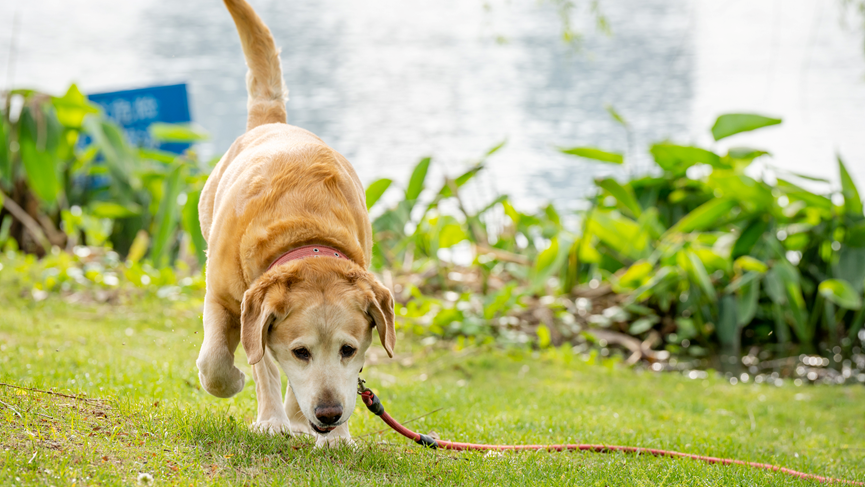
Spring arrives, and the "hairy children" run around happily, with parasites, allergens, and others joining in the fun. Don't worry, this super practical tip will allow the whole family and "furry children" to enjoy the spring scenery.
Don't let them ride a ride
There are cute pets at home, so be careful of fleas, ticks, etc. in spring and don't let them ride the "ride".
Attention: Remember the deworming rhythm, once a month outside the body and once every 3 months inside the body, and make adjustments in special circumstances; Go out and go home for "security check", focusing on checking the places where ticks love to "hide", such as ears, armpits, groin, toe crevices, etc; Don't forget to check your clothes, pet owners; When encountering ticks, do not forcefully pull them. Use tweezers to hold the head and pull it vertically upwards, or gently twist it out with a specialized rotating tool.
Prevent 'snowflakes drifting' at home
When the 'furry child' sheds its fur, snowflakes drift around the house. 'Floating hair+dandruff', allergy sufferers suffer the most, sneezing and shedding tears, what should be done?
Attention: Comb your hair for at least 5 minutes every day, from the roots to the tips; The purifier is turned on 24 hours a day, and the filter screen is replaced on time; Hair cream and cat grass can also be arranged appropriately.
It's important to keep an eye on the 'hairy child'
Spring is the "love season" for pets, and "furry children" who are in heat love to run around.
Attention: In terms of age appropriate sterilization arrangements, stay away from various risks; When going out, always use a rope, pull within 1 meter, and never let it go loose; Close the doors and windows at home, install protective nets, and check the screens every day; When encountering unfamiliar 'hairy children', do not tease, do not provoke, and keep a distance.
Hygiene must be 'done properly'
Spring is humid and warm. If you scratch your cat, you may receive a "cat ringworm experience card" tomorrow.
Attention: After touching the pet, wash your hands thoroughly for at least 20 seconds; Timely cleaning of feces, no mixing of tools, and online literacy of "feces shoveling officers"; Disinfect and expose the bedding and food bowl 1-3 times a week to eliminate bacteria from the source; Don't drink raw water, don't forget about deworming.
The matter of the entrance is not careless
When the temperature rises, cat food and dog food are prone to mold. Be careful of aflatoxin, the "invisible killer".
Attention: Seal immediately after opening and store in a cool and dry place; Buy in small quantities multiple times, do not stock up on large packaging; Moldy, clumped, odorous, expired, the entire package should be sealed and thrown away directly; Resolutely refrain from feeding people food and sharing utensils.
The 'hairy child' also needs to 'check the pulse'
The temperature fluctuates between high and low, and the cute pets' breathing and digestive systems are prone to emotional disturbances. At this time, Chinese veterinarians can help: massage and acupuncture and moxibustion to relieve joint pain and dredge the meridians; Traditional Chinese medicine bath, taking a bath can also cure diseases; Eating Chinese herbal medicine for pets, regulating the gastrointestinal tract, and assisting in improving the respiratory tract. Remember to identify legitimate institutions with the qualifications to practice veterinary medicine.
Spring is the critical period for the growth of all things and the protection of the health of the 'furry child'. Send all these clever tricks together to protect the health of the whole family.


