

News list
新闻列表
1、Daily Hair Care: The Foundation for Maintaining Skin and Coat Health
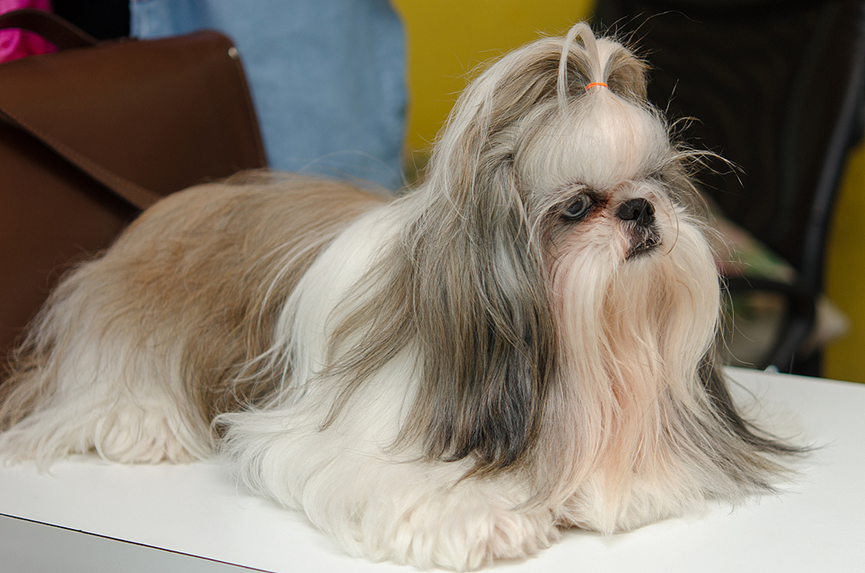
1. Regular grooming is the most fundamental and crucial step in pet hygiene. Long-haired breeds such as Shih Tzus and Persian cats require at least three grooming sessions per week, while short-haired breeds like Labrador Retrievers or British Shorthairs are recommended to be groomed twice weekly. The American Veterinary Medical Association (AVMA) notes that consistent grooming can reduce hair tangling and dander issues by over 80%, while also promoting skin circulation and aiding in early detection of skin conditions. Use combs suited to your pet's coat type—pin brushes for curly coats, slicker brushes for smooth, straight coats, and shedding combs effective for removing loose fur during seasonal changes. After each grooming session, inspect hidden areas such as behind the ears, armpits, and belly for signs of redness or parasites. Avoid brushing over damaged skin to prevent infection. Regarding bathing frequency, most pets benefit from 1-2 baths per month, as excessive washing can strip the natural oil barrier from their skin, leading to dryness and itching. Choose pet-specific shampoos with a pH between 6.5-7.5 to ensure mild, non-irritating ingredients.
2、 Ear and eye cleaning: key steps to prevent common infections
2. The ears and eyes are areas where pets are prone to accumulating dirt and breeding bacteria. Dog breeds with drooping ears, such as the Cocker Spaniel, have a high degree of ear canal closure and are more prone to breeding ear mites and fungi. It is recommended to check and clean them once a week. Drop the ear canal cleaning solution recommended by the veterinarian into the external ear canal, gently massage the base of the ear, and let the pet shake off the secretions on its own. Then use a cotton ball to wipe off any external residue. Never use cotton swabs deep into the ear canal to avoid damaging the eardrum. According to the Small Animal Clinical Handbook, approximately 20% of dog ear infections are caused by improper cleaning methods. The area around the eyes should be gently wiped with non-alcoholic wipes or gauze soaked in saline solution daily to remove tears and secretions. Due to the unique structure of the nasolacrimal duct, tear stains are more common in breeds with heterochromatic eyes or flat faces such as Garfield and Khabarovsky, and require strengthened care. If continuous tears, redness, swelling, or odor are found, seek medical attention promptly to check for conditions such as conjunctivitis or corneal ulcers.

3、 Oral hygiene management: controlling systemic disease risks from the source
3. Oral health directly affects the overall immune status of pets. According to the American Dental and Veterinary Association, over 80% of dogs and cats over the age of 3 have varying degrees of periodontal disease, which may cause secondary infections in organs such as the heart and kidneys. Brushing teeth every day is the most effective preventive measure, and using pet specific toothbrushes and poultry flavored toothpaste can increase acceptance. The initial training can start by lightly wiping teeth with gauze dipped in water and gradually transitioning to brushing tools. In addition to brushing teeth, the use of antibacterial mouthwash or oral spray twice a week can significantly reduce the formation of dental plaque. Provide teeth cleaning or FDA certified chewing toys, mechanical friction helps to remove dental calculus. At least one professional veterinary oral examination should be conducted annually, and if necessary, ultrasonic cleaning should be performed to prevent the condition from worsening to the extraction stage.

4、 Claw and perianal care: details determine overall hygiene level
4. Long claws not only affect walking posture, but may also puncture the foot pads and cause infection. Indoor pets need to have their nails trimmed every 2-4 weeks due to a lack of natural wear and tear. Use a specialized pet nail clipper and operate in a well lit environment, avoiding the pink "fast" area (i.e. blood vessels and nerve bundles). Light colored nails have clear boundaries, while dark colored nails are recommended to be trimmed in small amounts multiple times. Long plantar hair can easily accumulate dirt and grime, especially in snowy or humid environments, and should be cleaned and trimmed appropriately in a timely manner. Anal gland care is often overlooked, but small dogs such as Bichon and Yorkshire require manual gland squeezing every 3-6 weeks to prevent blockage and inflammation. Observe whether there is any mopping behavior or abnormal odor after defecation, indicating possible glandular problems. Regularly changing bedding and washing it with hot water above 60 ℃, combined with ultraviolet disinfection, can effectively kill mites and bacteria, and create a clean living environment.
